Setbacks

My trainer and coach both love to tell me that progress isn’t linear. As a person who started taking fitness seriously in middle age, this has been a rock fact for me, not a lesson I needed drilled into me.

But I wanted to add some clarity for what setbacks look like for someone in middle age, coming from a background of a chronic illness that is completely disabling physically and mentally.

I wouldn’t have considered myself an athlete in my 20s, but I was a bike commuter and cycling enthusiast. Some weeks I would bike over a hundred miles just by going about my business. I have also gone on a few bikepacking trips, with long rides day after day. I did this without training or cross training, and without thinking about diet in a strategic way. I mostly did it for fun and as transportation, and was able bodied enough that I didn’t need to put a lot of thought or effort into cycling.

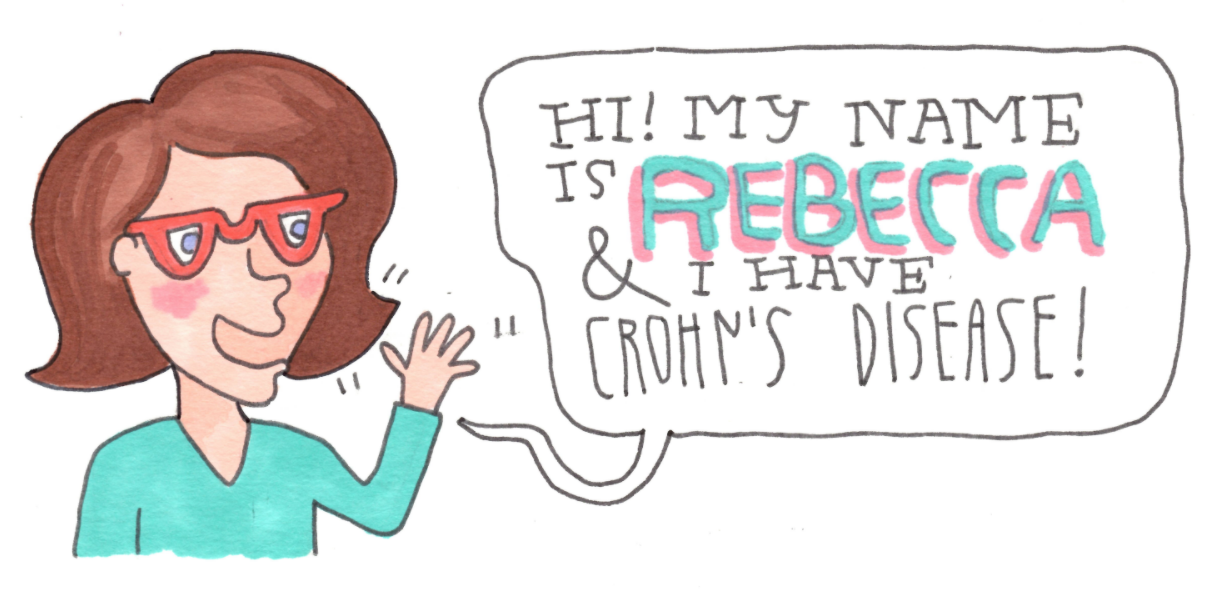
In my 30s I got Crohn’s disease and crippling fatigue.

Fitness in my 40s has been about reclaiming my body and ensuring my wellness for the second half of my life. My goals are to gain and maintain strength, balance, stability, cardiovascular endurance, mobility, and flexibility.

In the last two years I have experienced a few different kinds of setbacks. When I started walking, I was having issues with back pain, so I saw a physical therapist. She helped me to build strength and stability in my core to support functional movement like daily walking.

Another setback I certainly didn’t anticipate was attempting to donate blood. We had a blood drive at my school, and I wanted to go the extra mile by doing a double red donation. They took twice the standard amount of red blood cells from me. I saved a life which is great! I also had major difficulty strength training for 4-6 weeks. I had frequent lightheadedness and had to take more breaks, but I trained through it and eventually regained my strength.

During winter break of my first year of training, I got symptoms of plantar fasciitis from overtraining and going on too many hikes. I went from 4-6 miles a week to 20 miles a week, and that was a ridiculous and ill advised increase. Too much too soon. Luckily for me, we had a crazy snow and ice storm, and I was able to spend 5 consecutive days on the couch. This allowed my fascia to chill out, and along with intentional stretching and massage, my pf resolved and hasn’t been a recurring issue for me, thank god.

A year and a half into training, I got a repetitive stress injury of my piriformis that caused pain from my sciatica to ride up my back. I got this by increasing walking and hiking too much too soon. It was summer break all of a sudden, and the weather was perfect, and I was ready to go! Much like progressive overload, increasing cardio minutes or walking distance by 10% a week will help avoid injury.

To deal with this injury, I took some time off, scaled back the walking and hiking, and switched to swimming, which works different muscles. I also looked at my cardiovascular baseline and planned out a gradual increase in order to better understand how I could push my fitness level safely without getting set back by injury.

Crohn’s was a setback for about 4 weeks. I realized I couldn’t absorb food, so i couldn’t fuel my workouts or recovery. When Crohn’s hit, I cut the workouts and focused on eating blended foods and hitting my caloric intake to maintain the calories I’d need for training. When symptoms started to resolve and I felt more energy, I started moving again with walking and swimming, then started lifting at about 50% of what I was doing when my flare started. Within 2 months I was hitting PRs again.

My most recent setback was another total surprise. Last week I got 3 vaccines: COVID, flu, and HPV. About 12 hours after the shots I had a huge pain flare. My back, piriformis, and knee all started hurting again and have limited my mobility and ability to lift. I swam yesterday and attempted squats in the pool, but my knee pain is still a problem. I will probably need to lay off the squats for a while and focus on arms, shoulders, back and core while my knee pain calms down.

Between illness, injury, and vaccine side effects, I’ve had my share of setbacks in the last two years. I definitely miss working out when I can’t. I have some reticence when I return to training after a setback, but typically trying to find a new baseline that I can recover from after a good night’s sleep works for me. After I have my baseline, I gradually increase weight or time/intensity so as to avoid causing another setback.

There is a real balance in fitness in your 40s, and learning your limitations and the rate at which you can grow can really help you keep at it. Listen to your body and don’t be afraid to take a rest day or two.

And DEFINITELY make sure you are eating the food you need to fuel and recover!

Diet culture thought spirals

It’s the time of year when the gym is flooded and people are deciding to start new eating disorders to LOSE WEIGHT.

I have been consistently going to the gym for a year and a half and am not interested in calorie restriction at all, and am not trying to lose weight because I know that it is impossible and actually means nothing about my health, fitness, or wellbeing.

That said, the diet culture brain worm is living rent free in my head and it won’t stfu. I don’t really know what to do about this other than keep my routines and not start any harmful behaviors. But it doesn’t help my emotions and self concept.

Blehg. Good luck everyone. Quitters day is only two weeks away so hopefully it’ll get better after that.

Olympic weightlifting

I had my assessment with my new weightlifting coach. He said my upper body strength and range of motion is looking pretty good, but it will probably take several months to get my lower body doing the explosive deep squats required for Olympic lifts.

This was actually better than I had expected, since about a month ago I started working on deepening my squats. I have made a lot of progress, but yesterday was a rude awakening as to how low I have to go for the snatch and clean.

The skills I definitely already have: mindset, practical expectations, patience, and grace to give myself and my body. And the understanding from experience that progress isn’t linear.

These are the qualities of a middle aged athlete that most younger athletes cannot have because they haven’t had the life experience to teach them. And tbh I’d be kinda sad for young people who had already learned these lessons, although I know they’re out there.

I wanted to mark this occasion, the beginning of my Olympic weightlifting training, with what I can do now:

  • Military press
  • Press from behind the head
  • Overhead press is at 60#
  • Stand from deep squat, then come back down, then stand again and come back down, but when I tried for a third time I definitely couldn’t get back up! Deep squat as in basically sitting, ass to the grass
  • 10 back squats to parallel with barbell and weight (I’m doing like 60-65 lbs now but I’m sure I could do much more, I’m still working on training the movement and technical proficiency)
  • 5 front squats with the barbell, maybe to parallel? 50# but I’ve been struggling with the front rack position. Will hopefully get better soon after pointers from coach on how to support the weight
  • Decent thoracic spine mobility, where I can maintain front rack position and NOT choke myself out
  • Still learning form, technique and cues in all of this
  • Working on better inter abdominal bracing with breath
  • My quads are so ripped up after the assessment it’ll probably take 2-3 days before I can squat again! Recovery is brutal rn

I hope I’ll remember to write again in a month or two and log my progress. This is an exciting journey as my initial inspiration to lift was to do Olympic lifts!

The coach I found gives really good vibes, very professional, very understanding of the limitations of the athletes body and the need for rest. And the community of lifters in his gym is very cute. They are friendly, encouraging, and support each other to reach their goals. Also there are always children and dogs there and lots of women and POC. And now they have their middle age enby lifter too 😝

Good news

What I thought was my body deteriorating after 4 weeks in a flare was actually me getting better and then being stricken with norovirus!

Great news!

After I stopped peeing out of my butthole, I got better really fast and went back to work!

Also, reaffirming that my dietary interventions cut thru flare #5 and within 4 weeks I was ready to weight lift again.

Jacked Fatty

Bodybuilders are less than 10% body fat. You can see every rippling sinew under their thin, tight skin.

As a jacked fatty, however, my bulging muscles are hidden under a layer of fat, like a soft blanket of snow. This makes it harder to visibly see the changes happening to my body as I enter my second year of weight training.

I know I am making gains because of what I am able to do, and also because of what I am able to eat. I am hungry all the time and eat between 3-4000 calories a day to stay alert and energetic at work, and to support recovery from lifting.

As a fat person who also has considerable muscles, I need a lot more calories than what lightweights do to just power my bod, let alone power a workout. Under-fueling would make me so tired and wiped out, and would keep me from doing the exercises I enjoy.

All of this said, today I noticed the shape of my quads. I could feel them under my skin as I ran my hand over my knee and lower thigh after working out. This is a huge non-scale victory!

I just want to put it out there into the world that jacked fatties can have a hard time feeling like we’re making progress in the gym because we can’t visibly see the changes happening in our bodies. But that doesn’t mean it’s not happening. We just experience it differently.

It’s an embodied experience, not something subject to The Gaze. It’s proven by better mobility, functional movement, seeing the numbers go up on our lifts, and an increase in appetite. It’s not quantifiable on a scale. The body morphs and shifts and becomes stronger, fiercer, tougher.

Still fat, and stronger, and much more powerful.

How does one “Feel Better?”

With Crohn’s disease, when you start feeling like shit you know you are in for the long haul.

Crohn’s is a Victorian wasting disease where the only remedies are hot pads, cold compresses, and moving to the mountains where the air is less tubercular.

Except it’s 2025 and you can’t buy morphine or heroin over the counter anymore, so your pain relief options are limited to marijuana and whatever your doctor will give you, if anything.

So what can self care look like? What can a healing mindset look like?

This is what I’m struggling with for flare #5.

I’ve worked a lot over the last two years on fitness both of my body and mind, and overcoming the mindset that Crohn’s is a permanent limitation on my body. For sure there will be periods where I’m knocked out, because you can’t do shit if your body is starving. My body won’t be able to heal itself if it can’t absorb enough nutrients and that’s the raw deal.

Cutting the inflammation for me I think has to do with de-stressing and bowel rest. This has worked in the past but it’s possible my disease is progressing and this won’t continue to work now or in the future. I guess psychologically I’ll have to cross that bridge when I come to it.

Dietary intervention should hypothetically work as well as meds but all of the interventions take time, 4-6 weeks, up to 12. And I feel at this point in my life like time is the thing I do not have, with the necessity of caring for my family and paying my mortgage and bills. This year I have short term disability insurance, which hopefully will cover me and I can actually afford to take the time off I need.

So maybe part of my healing mindset is acceptance of what needs to happen, digging in for the long haul, and taking the time off I know I will need to get better.

Things I need to care for myself

  • Smoothies
  • Meal replacement shakes
  • Blended food
  • A working toilet
  • Wet wipes
  • Frequent showers
  • Clean comfy clothes
  • Blankie
  • Kitties
  • Walks to regulate my nervous system
  • Low key cardio like rowing or cycling to maintain some kind of muscles and cardiovascular fitness
  • Low key resistance training for muscle and bone health
  • Swimming for fun and also hot tub
  • Painting for contemplation of beauty
  • Time spent with friends and family
  • Maybe help with chores if I get really weak
  • Grocery pick up
  • Flu vaccine
  • Figuring out how to make my FMLA paperwork and my short term disability paperwork meet my needs

Pain

Two nights ago I experienced what I think may have been the worst pain of my life.

Following a very high stress week, like crying at work, the students can tell something is wrong stress, like your elderly parents and disabled brother are living in filth with mouse shit all over their kitchen and only you can clean it and solve the problem stress;

following a very high stress week, I experienced a let-down illness moment. I was done with the work of hiring cleaners, decluttering, organizing, and wiping and vacuuming up the mouse shit, and the deep cleaners came, and everything is safe and clean again. I went home and laid down and then it began.

Cramps and a sensation of urgency. Explosive diarrhea, the kind that only someone with Crohn’s recognizes and thinks…”Well, shit.”

Maybe that’s it?

No, you fool. You could never be so lucky.

More cramps, more severe this time, progressively moving the entire length of my large intestine, feeling like someone is squeezing something out of my guts like a sausage casing. Momentary relief punctuated with a comical fart.

Maybe that’s it?

No, it’s more explosive diarrhea, and this time you better run to the toilet, mortal.

Back in bed. Position the pillows and heating pad just-so to provide some pain relief while not applying any additional pressure to my guts, which appear to be simultaneously inflating and collapsing into a singularity under the weight of their own existential weariness.

The pain hits different now. It takes my breath. It makes me nauseous. I consider going to the emergency room.

But what if I shit myself in the car?

I could put a towel down.

I can’t afford to go to the emergency room. It’s 9pm on a Friday night and it’ll take 3 hours to get me into a bed. I won’t even get to eat the food at Riverside because I’m on a liquid diet. God damnit.

What is my limit?

I can’t take pain killers now. I would throw them up. The only painkillers I have is Tylenol, and I know from experience that acetaminophen won’t even touch this type of pain. I’m in too far.

Deep breaths. Breathe out and try to expand beyond the cramps.

I endured this for three hours, then, exhausted, fell asleep.

The next day my abdomen was sore from the cramping. But there was a deeper, more dreary pain, the pain of my actual intestines and all of the goo and fibers around them, the existential pain of your internal organs when something is seriously wrong.

And let us not discount the searing, burning, raw pain of a thousand paper cuts on the anus following 30 bouts of acidic diarrhea. The anus, work horse of the digestive tract, always quietly and diligently doing its job; now swollen like a waterlogged corpse.

The doctor at urgent care said she couldn’t give me anything for the pain.

I feel like maybe she didn’t understand what I had been through. A level of pain often likened to 8cm contractions, childbirth, and a xenomorph bursting through your chest, and she told me I should take two extra strength Tylenol. Bitch, if I were pregnant you’d be giving me an epidural right now.

I told myself if my pain gets that bad again, I will be going to the hospital. I look forward to writing another entry about how that goes, and hopefully I would be treated to some form of pain management. Don’t we deserve that, Crohn’sies? Just some basic, run of the mill, “I see you are writhing due to your fucked up internal organ, here is some pain management” type care.

Your pain is valid. You deserve better care. You deserve to be able to talk to your gastroenterologist on weekends. You deserve pain relief. You deserve a treatment modality that doesn’t have heart attack, stroke, and cancer as potential side effects. You deserve research on your disease. You deserve paid time off work to destress and manage your disease, your doctor’s appointments, and your well being. You deserve social security disability. You deserve affordable, universal health care. You deserve human dignity.

Reverse Engineered EEN Smoothie

To approximate food like Modulen or Kate Farms medical meal replacement shakes, I made this smoothie. I drink two of these a day currently, in addition to 3-4 Kate farms shakes. The Kate farms micronutrient profile hits all essential vitamins and minerals at 3-4 shakes a day. My last meal of the day is yogurt and granola, soup and bread or chicken, or something like that. Blended blended blended. I occasionally eat some crackers because I want to CHEW. I have stopped drinking coffee, rip.

There has been one study out of Seattle children’s hospital that did a proof of concept with using smoothies to induce remission in Crohn’s. They did a smoothie protocol for 4-6 weeks and 80% of trial participants ended up in remission. This won’t work for everyone, but smoothies and blended food might make EEN more realistic for adults, as it provides more variety than chugging Ensure every meal. Also this is more cost effective. My weekly grocery bill was about equal to what it normally is buying the smoothie ingredients.

Reverse Engineered EEN Smoothie

  • 1/3 nuts (almonds)
  • 1/2 cup rolled oats
  • 2 pitted dates
  • 2T hemp seed
  • 2T chia seed
  • 1/2 cup to 1 cup frozen spinach, another leafy green, raspberry, blueberry, blackberry – your choice, but these are all nutrients dense foods that you can play with for flavor
  • 1 scoop whey protein powder (I add this after everything else is blended because it can whip too much air into the final product)
  • 1/2 cup whole milk yogurt (optional)
  • 2-4 cups water, depending on how thick or thin you want it to be. add more water if you want to travel with it and drink later

I recommend using a high power blender like Vitamix.

Macro profile (without yogurt)

  • 40% carb (97g)
  • 22% protein (54g)
  • 38% fat (40.5g)
  • 970 calories total

With the yogurt, the macro profile closely approximates Kate Farms meal replacement shakes.

Tbh these smoothies make meal prep way easier for me, which is great when I’m in a flare and still going to work. I’m also able to eat SO MUCH PROTEIN, which in flare times will help with healing, and in non flare times will help with maintaining and building muscle for the athletes among us.

Finally, full disclosure: I use dietary methods to treat Crohn’s because I had anaphylaxis reactions to Remicade, really dislike steroid side effects, and EEN is the first line method for inducing remission in pediatric Crohn’s patients worldwide. It is scientifically backed, but adults often don’t stick to the diet.

Design a site like this with WordPress.com
Get started