My trainer and coach both love to tell me that progress isn’t linear. As a person who started taking fitness seriously in middle age, this has been a rock fact for me, not a lesson I needed drilled into me.
But I wanted to add some clarity for what setbacks look like for someone in middle age, coming from a background of a chronic illness that is completely disabling physically and mentally.
I wouldn’t have considered myself an athlete in my 20s, but I was a bike commuter and cycling enthusiast. Some weeks I would bike over a hundred miles just by going about my business. I have also gone on a few bikepacking trips, with long rides day after day. I did this without training or cross training, and without thinking about diet in a strategic way. I mostly did it for fun and as transportation, and was able bodied enough that I didn’t need to put a lot of thought or effort into cycling.
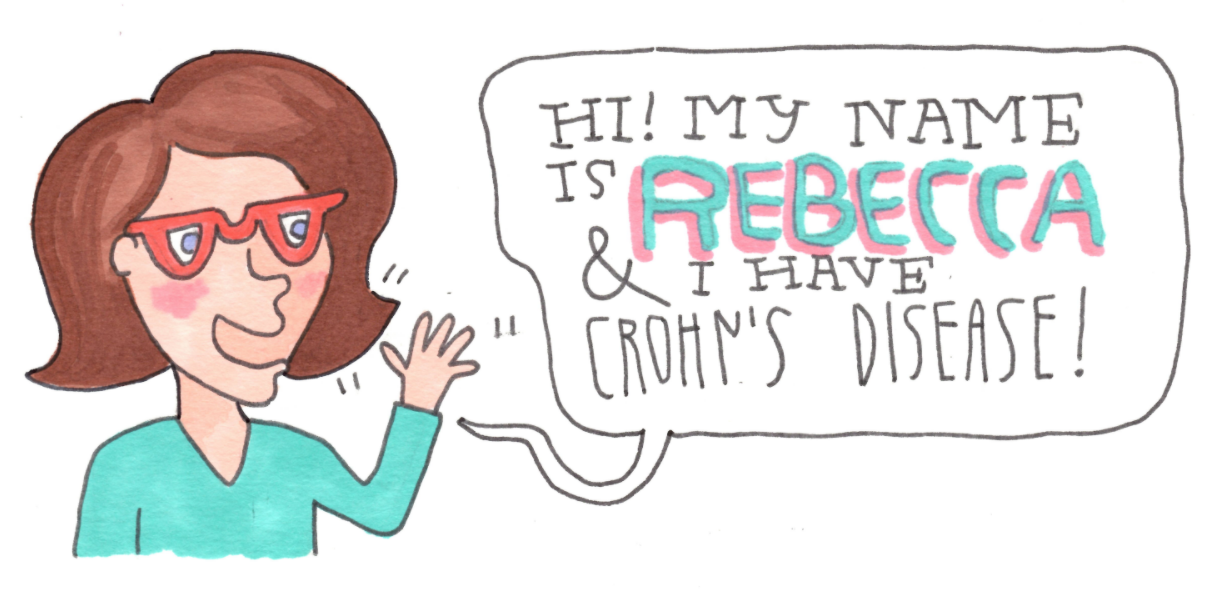
In my 30s I got Crohn’s disease and crippling fatigue.
Fitness in my 40s has been about reclaiming my body and ensuring my wellness for the second half of my life. My goals are to gain and maintain strength, balance, stability, cardiovascular endurance, mobility, and flexibility.
In the last two years I have experienced a few different kinds of setbacks. When I started walking, I was having issues with back pain, so I saw a physical therapist. She helped me to build strength and stability in my core to support functional movement like daily walking.
Another setback I certainly didn’t anticipate was attempting to donate blood. We had a blood drive at my school, and I wanted to go the extra mile by doing a double red donation. They took twice the standard amount of red blood cells from me. I saved a life which is great! I also had major difficulty strength training for 4-6 weeks. I had frequent lightheadedness and had to take more breaks, but I trained through it and eventually regained my strength.
During winter break of my first year of training, I got symptoms of plantar fasciitis from overtraining and going on too many hikes. I went from 4-6 miles a week to 20 miles a week, and that was a ridiculous and ill advised increase. Too much too soon. Luckily for me, we had a crazy snow and ice storm, and I was able to spend 5 consecutive days on the couch. This allowed my fascia to chill out, and along with intentional stretching and massage, my pf resolved and hasn’t been a recurring issue for me, thank god.
A year and a half into training, I got a repetitive stress injury of my piriformis that caused pain from my sciatica to ride up my back. I got this by increasing walking and hiking too much too soon. It was summer break all of a sudden, and the weather was perfect, and I was ready to go! Much like progressive overload, increasing cardio minutes or walking distance by 10% a week will help avoid injury.
To deal with this injury, I took some time off, scaled back the walking and hiking, and switched to swimming, which works different muscles. I also looked at my cardiovascular baseline and planned out a gradual increase in order to better understand how I could push my fitness level safely without getting set back by injury.
Crohn’s was a setback for about 4 weeks. I realized I couldn’t absorb food, so i couldn’t fuel my workouts or recovery. When Crohn’s hit, I cut the workouts and focused on eating blended foods and hitting my caloric intake to maintain the calories I’d need for training. When symptoms started to resolve and I felt more energy, I started moving again with walking and swimming, then started lifting at about 50% of what I was doing when my flare started. Within 2 months I was hitting PRs again.
My most recent setback was another total surprise. Last week I got 3 vaccines: COVID, flu, and HPV. About 12 hours after the shots I had a huge pain flare. My back, piriformis, and knee all started hurting again and have limited my mobility and ability to lift. I swam yesterday and attempted squats in the pool, but my knee pain is still a problem. I will probably need to lay off the squats for a while and focus on arms, shoulders, back and core while my knee pain calms down.
Between illness, injury, and vaccine side effects, I’ve had my share of setbacks in the last two years. I definitely miss working out when I can’t. I have some reticence when I return to training after a setback, but typically trying to find a new baseline that I can recover from after a good night’s sleep works for me. After I have my baseline, I gradually increase weight or time/intensity so as to avoid causing another setback.
There is a real balance in fitness in your 40s, and learning your limitations and the rate at which you can grow can really help you keep at it. Listen to your body and don’t be afraid to take a rest day or two.
And DEFINITELY make sure you are eating the food you need to fuel and recover!
 Eating Vegan with Crohn's Disease