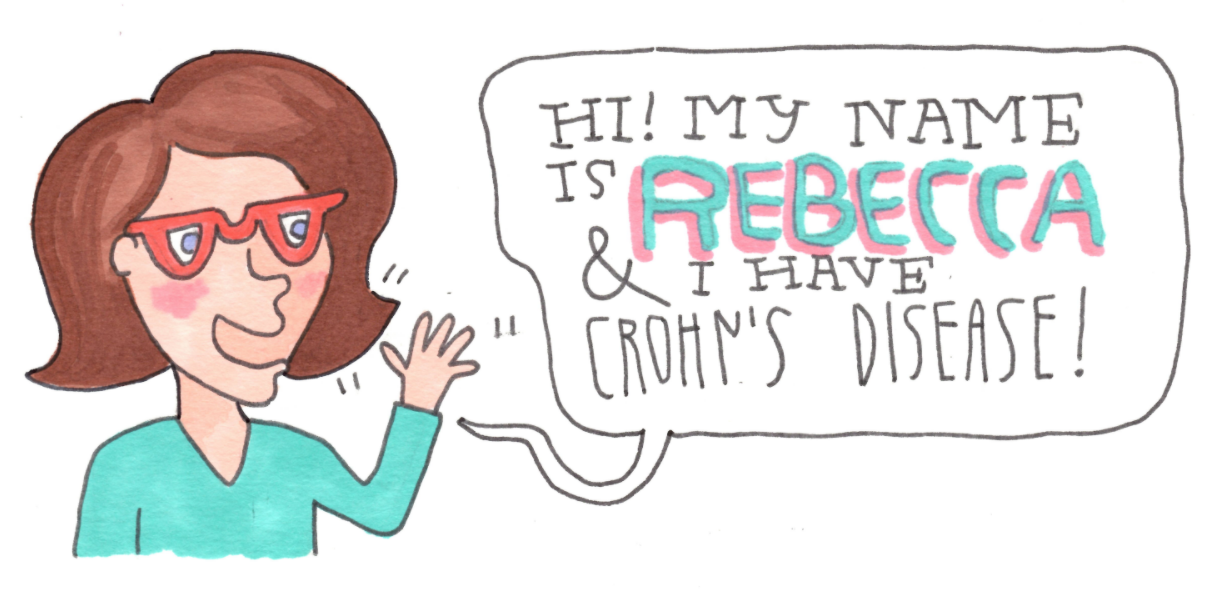
If you have a friend or loved one with chronic illness, you may have wondered, why does that friend often say no to or cancel plans with me? Maybe you felt it would be rude to ask. Maybe you thought it was about you. Well, I am here to clear things up for you! You’re welcome.
First of all, there are a few things you need to understand about living with a chronic illness. Like, it never goes away. It is chronic, which means it lasts forever. There will be times when it is better and times when it is worse. The severity and complexity of our illnesses are not in our control.
In addition, most chronic illnesses make people tired. Not like, take a nap and feel better tired, but like chronically fatigued tired. A tired that never goes away. A tired that, when you feel it, it makes your soul tired. A tired that compounds upon itself to wear you out to your bones. This is called fatigue. Fatigue, like flares of chronic illness, waxes and wanes, and can come on unexpectedly.
Since spring of 2020, most of us in the world have become aware of a pervasive uncertainty due to the global coronavirus pandemic. We don’t know if we will get the virus, if we will get sick, how bad it will be, if we will be permanently disabled by it, or hospitalized, or even die. We don’t know if we will lose our jobs or our homes or our loved ones. This is an uncertainty that your friends and loved ones with chronic illness always live with. But the one certain thing is, we already have the disease that is making our lives uncertain.
So, with those things in mind, here are some reasons your friend or loved one with chronic illness doesn’t hang out with you.
1. You don’t plan.
I only have so many spoons in my day. If you don’t know about spoon theory, do yourself a favor and google it. It will give you a better understanding of what life with a chronic illness and fatigue is all about.
I need to plan each activity in my day because I know at some point I will run out of spoons, or energy, or mental capacity, and I will be done for the day. When I say activity, I don’t just mean, “going to work,” or “going to the gym.” I mean, getting dressed, taking a shower, doing the dishes, driving somewhere, having a phone conversation, reading a book.
All of the things that you take for granted in your day will suck up my finite amount of energy. This means I have to plan out everything I do, because doing laundry and going to the grocery store in one day might be too much for me. Getting dressed or taking a shower might require a lay down afterwards. It’s like that.
If you text me after work about going out spontaneously, that is almost certainly something I will decline because I have already spent my allotted spoons at work. If you give me a couple days notice about an activity or event to do in the evening, I can pace myself for a day or two and ensure I have the capacity and bandwidth to do the thing. Otherwise, have fun with your non-planned activity by yourself.
2. You aren’t reliable.
Okay, so you’ve made a plan. Good first step! Then you have to follow through on it. If you are 3 hours late, are bad at communicating, or change plans at the last minute, you have just ruined my entire day, because I set aside all of that capacity and bandwidth for you, and then you flaked on me. So I’m going to take my 3 spoons that I allotted for you, use one of them feeling bad that I don’t get to see you, and use the other 2 watching TV or whatever.
More importantly, if you are a person who can’t plan and follow through on it, it’s likely that even if you invite your chronically ill friend to do something, we know that your plans will change, or you will flake on us, so we’re not REALLY planning 100% to do the thing. We may consider there is a possibility, like a 30% chance of rain, but not worry about bringing our umbrella, because a 30% chance means it’s not going to rain today.
3. Bad communication.
So, let’s say you’ve made the plan, you’ve shown up and followed through multiple times in the past, and you’ve shown that you are a semi-reliable friend and support person to your friend with chronic illness. But it takes you an hour and a half to text someone back when they ask, “Are we still doing the thing today?” and it’s an hour and a half before the thing. Have the self awareness and forward thinking to be ready for their questions the day of and reaffirm your friend, because they deal with flakey and unreliable people consistently.
Or maybe you aren’t crystal clear with details and your friend with chronic illness also has brain fog, is forgetful, and needs reminders. If you aren’t clear and aren’t reminding them, they probably won’t end up doing the thing. You may have to accommodate your friend with some additional details and reminders you don’t do for other people, because they are chronically ill.
4. You make it about you.
We all want someone who understands us. We all want to be seen, heard, and validated. When your friend with chronic illness is going on about how destroyed they are by fatigue, and you reply, “Oh, I totally understand, I haven’t been sleeping well.” Or, “Yeah I was really exhausted after I ran that marathon last weekend.”
Just, stop doing that.
You don’t understand, clearly, because you have the physical and mental energy to dedicate to running a marathon. Fatigue isn’t the same as getting a bad night’s sleep. Fatigue wears on every ounce of your being. More importantly, while you may be trying to connect with your friend and share in their pain, what you are really doing is minimizing the impact of having a chronic illness on their life. Because you can take a nap to solve your problem, but your friend can’t.
That is a type of behavior that serves to center you, alienate your friend, and put them in a weird position. They may wonder, should I confront this person about minimizing my debilitating illness? Or should I just let it slide, knowing that they absolutely do not understand me, and distance myself from this person?
If a friend of yours is telling you about their hardship, just shut up and listen. They are being vulnerable with you, not trying to impress you with their story of woe. It isn’t about comparing our bodies. Your friend needs a compassionate person to listen with empathy and try to understand where they are at, as they are describing the prison they live in called their body. The lived experience from a chronically ill body often defies language itself, so the last thing you want to do in a situation like this is silence your friend who has finally found their words.
In Conclusion
These are some common missteps that folks make, and these are things that are pretty easy to remedy by being aware of your actions and words, thinking before you speak, and centering the experience of chronically ill people. Not all of us have the privilege of going on a joy ride through life where we can take detours at any moment or spontaneously veer off course. Some of us struggle to maintain our homes, self-care, and careers day to day, and it may take meticulous planning and self-assessment to ensure that we aren’t running ourselves into the ground.
For you, a busy or stressful day might mean taking a nap on the weekend. For me, it might mean ending up in the hospital, going further into debt, and getting even farther behind the tidal wave of obligations I live with. And that’s not being hyperbolic. Stress is implicated in many chronic illnesses and auto-immune diseases. So, if you’re stressing out your spoonie friend by being a bad communicator or flaking on plans, consider that it may be more than just an inconvenience for them, it may have actual ramifications for their health and wellbeing.
 Eating Vegan with Crohn's Disease