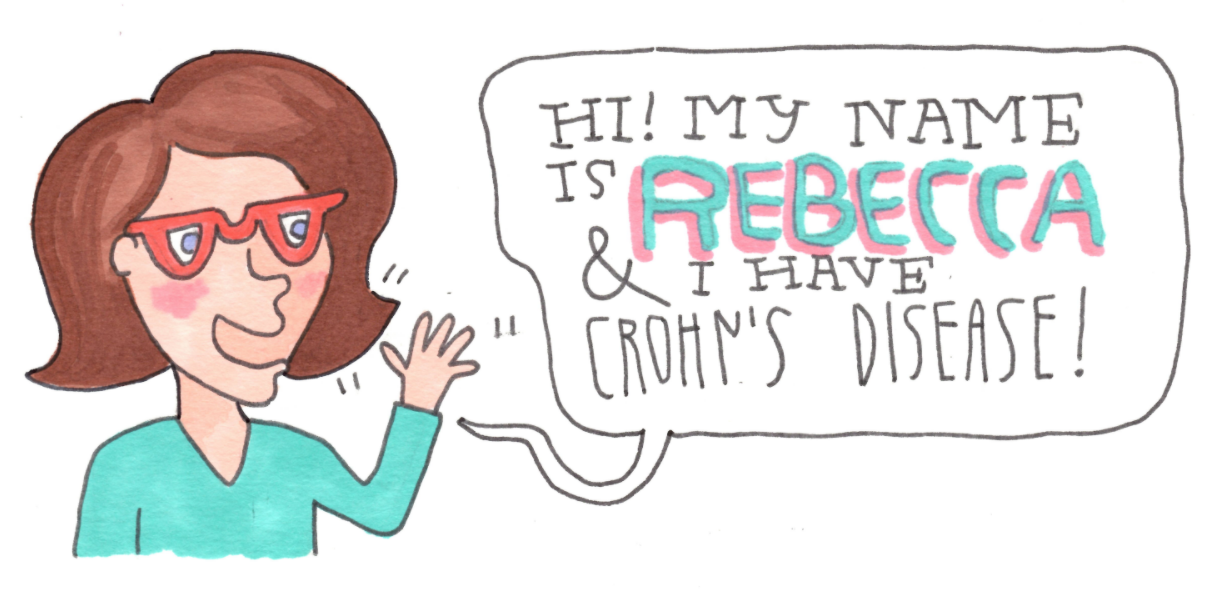
No one wants to be told they will be living the rest of their life on medication. For many in the US with substandard health insurance, being told you will live the rest of your life on expensive medications is a paradox.
How can I live well if I can’t afford to live? How can the best option for a decent quality of life be monthly intravenous infusions of a drug that costs $30,000 a shot? How can I manage to survive if I’m too sick to work, but too poor to afford the medication that can heal me?
These are the decisions I was trying to make in 2017 when I was diagnosed with Crohn’s disease. I was bed ridden for 3 months with constant diarrhea, too weak to work, too fatigued to do household chores most days. I was living off of an internet tutoring job that was sometimes interrupted by bouts of vomiting. I had some financial help from my parents, but I also racked up thousands of dollars of credit card debt, plus maxing out three medical deductibles in one year. I lost my job and insurance in January, started a second deductible in February, and a third in August when I got my next full time job.
Needless to say, Crohn’s ruined me financially, and physically. At the advice of my gastroenterologist, I went on an intense course of steroids for 3 months, and started on an incredibly expensive biologic drug, Remicade.
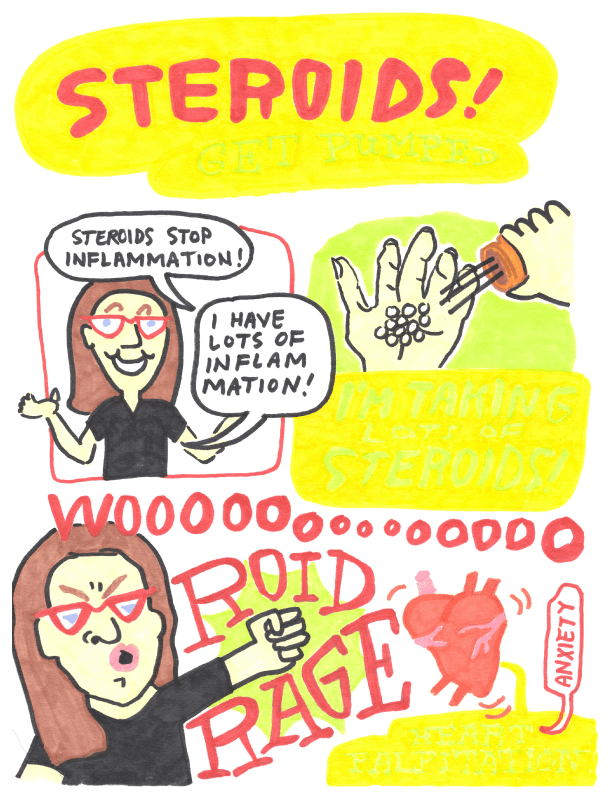
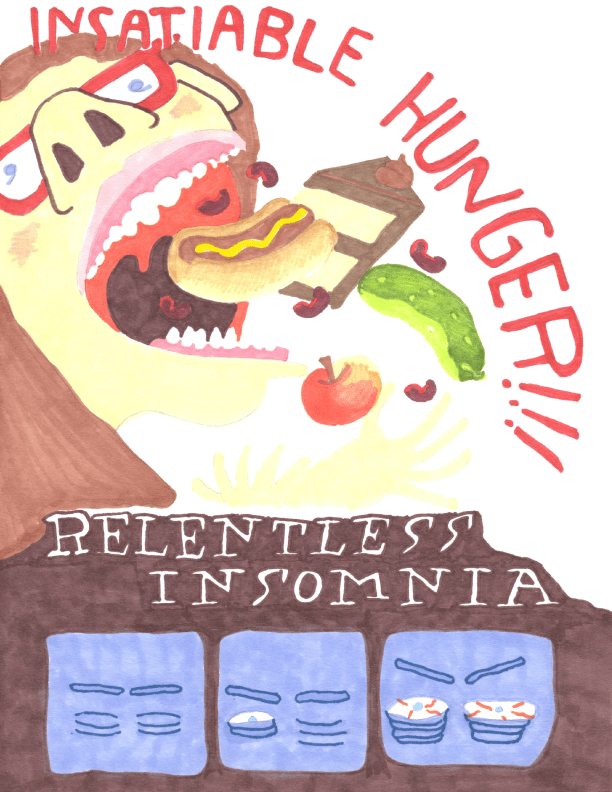
My story is very similar to others who are diagnosed with this debilitating and life changing disease. I was lucky to be diagnosed early in the game; some people suffer for years before even getting a Crohn’s diagnosis and flounder without appropriate medical care for their disease. The longer it takes you to get treatment, the more severely your gastrointestinal tract is damaged, sometimes resulting in the need for emergency surgery and removal of sections of diseased intestine.
After a year on Remicade, I was in clinical remission, although I was still suffering from a host of extra-intestinal complications of Crohn’s. These included intense fatigue and pain flares, which were difficult to manage working full-time as a high school teacher. I didn’t do much outside of work other than sleep, and occasionally grade stacks of assignments.
In November of 2018, I took a rediculously expensive test to see if the Remicade was working in my body. My inflammation markers (CRP) had started ticking up over the summer. The test showed that my body was producing antibodies to the Remicade, and my immune system was attacking the drug.
Each infusion was accompanied by an anaphlactoid immune response, where I would flush and have difficult breathing. I was given intravenous Benadryl and steroids before each infusion, but still was having reactions. In April of 2019, I cancelled my Remicade appointment and decided I was going to stop taking this incomprehensibly expensive and dangerous drug.
After reading dozens of medical publications, and getting very little advice from my gastroenterologist, I decided I could safely stop Remicade and try to manage my disease using diet. Most research suggested a Whole Foods Plant Based Diet. Current studies are looking at the relationship between the Crohn’s Disease Elimination Diet and remission. CDED is a whole foods plant based diet that avoids processed foods and emulsifiers, which are believed to permiate the mucosal layer of the intestine and induce an inflammation response.
In the past 8 months I have greatly increased the amount of fruits and vegetables I eat, along with whole grains. I haven’t been hard core about the total elimination of dairy, and through this I discovered that I am now lactose intolerant. A few late nights of stomach cramps and intense diarrhea cleared that one up pretty fast for me. I wasn’t a big meat eater before, and I had been vegan and vegetarian in the past, so I already had a wealth of resources and cooking skills to maintain a balanced diet and nutrition. The biggest shift for me has been eliminating processed foods.
Processed foods are literally everywhere, all of the time, enticing you with their shelf stability and convenience. But the industrial additives that allow these foods to persist in your pantry are the same additives that may be wreaking havock on our intestines. This is anecdotal of course, but I have found when I indulge in processed foods, I get negative feedback (diarrhea) from my body within 24 hours. Returning to a whole foods diet usually corrects this within 1-2 days. As many Crohn’s sufferers will attest, your best friend in this disease is paying close attention to how your body responds to certain foods. I can definitely confirm that my body responds negatively to processed foods, and responds in a positive and self healing way to whole foods.
When I started my Whole Foods Plant Based diet and went off meds, I had been in remission for a year and a half. My initial remission was most likely induced by steroids, and sustained in the short term by the Remicade. As my immune system developed antibodies to the Remicade and my CRP levels crept upward, I chose to try regulating my disease with diet. So far, my CRP levels have gone back down below 4, and I am meeting both my nutritional and intestinal needs with diet. I have had fewer pain flares this year. I still suffer from fatigue, but I hope this will improve as my remission deepens.
This blog will track my progress in attempting to control Crohn’s Disease with diet. I hope that other people with Crohn’s who have had similar experiences with medication will try to change their diets to support better health, either in conjunction with medication or without. I had to quit Remicade because of its prohibitive cost, as well as the terrible side effects I was having with my monthly infusions. Please know that there are many options for treatment of Crohn’s, and that finding the best treatment for you may mean getting second and third opinions, switching doctors, or doing your own medical research and bringing that to your doctor.
Rebecca Riley
 Eating Vegan with Crohn's Disease